11 Reasons Why Your AI-Generated Copy Doesn’t Sell

AI tools have their place. They can help speed up processes, spark ideas and handle routine writing tasks. But can they sell? When it comes to creating content that truly connects with your audience and drives action, there’s still no substitute for a thoughtful, human approach. Here are 11 reasons why your AI-generated copy doesn’t sell.
1. It Overuses Buzzwords Without Meaning
Example: AI writes: “We leverage cutting-edge solutions to drive scalable growth across dynamic verticals.”
Why It Fails: It sounds impressive, but says absolutely nothing. It’s jargon-heavy, lacks clarity and doesn’t communicate value to the actual target audience. It doesn’t tell the reader what the product does or why they should care.
2. It Doesn’t Address Objections
Example: AI writes a landing page for a high-end consulting service but never addresses the price concern or the ROI.
Why It Fails: AI doesn’t instinctively know what doubts a buyer might have, and it doesn’t proactively handle them. A copywriter will identify common objections and build trust by addressing them head-on, something AI typically overlooks.
3. It’s Missing Brand Voice or Personality
Example: A fun, edgy skincare brand gets AI-generated content that sounds like a medical journal: “Our products are dermatologically formulated to meet diverse epidermal needs.”
Why It Fails: Even though the content is accurate and sounds professional, it doesn’t match the brand’s tone. And it doesn’t connect with its target market. The voice feels cold and generic.
“AI is great at sounding like everyone else. But if you want your brand to stand out, you need messaging that reflects your voice, values and unique perspective,” says Linda Barrett, owner of All the Buzz Creative. “That’s not something you can get from a tool—it comes from insight, strategy and experience.”
4. It Writes for Everyone, So It Sells to No One
Example: A B2B SaaS platform wants to target mid-size logistics companies. The AI-generated blog is so broad it could apply to any industry.
Why It Fails: Selling requires specificity. Vague benefits and general advice don’t build trust or demonstrate authority. A human writer would tailor the message to logistics pain points and decision-maker priorities.
“We’re surrounded by content today. The brands that win aren’t the ones producing the most content; they’re the ones that know how to cut through the noise,” Barrett explains. “Cutting through takes more than smart-sounding sentences.”
5. It Follows a Formula But Misses the Hook
Example: An AI-written email follows the perfect AIDA formula—Attention, Interest, Desire, Action—but the opening line is flat and overused: “In today’s fast-paced business landscape…”
Why It Fails: The structure is correct, but it lacks creativity or emotional punch. Readers don’t engage with formulaic intros—they skim right past them. A skilled copywriter would craft a sharper hook that grabs attention immediately.
6. It Doesn’t Understand Real-World Limitations
Example: AI writes: “Try our product free today and transform your workflow overnight!” for a service that actually requires a lengthy onboarding process.
Why It Fails: AI doesn’t understand friction points like tech integration, training or slow decision cycles. Overselling leads to mismatched expectations and loss of trust.
7. It Doesn’t Adapt to Sales Context
Example: A product page written by AI sounds like a Wikipedia entry: factual, descriptive and neutral.
Why It Fails: Selling requires persuasion. Features alone don’t convince. Benefits, urgency and emotional framing do. A copywriter would turn those same facts into reasons to buy.
8. It Misses Cultural Nuance and Local Flavor
Example: AI writes for a regional restaurant chain but uses generic phrases that don’t reflect local traditions or slang.
Why It Fails: Without understanding cultural context, AI content can feel generic or out-of-touch, failing to resonate with a community’s unique identity and preferences.
9. It Struggles with Humor and Wit
Example: AI attempts a lighthearted social media caption but ends up sounding awkward or flat.
Why It Fails: Humor requires timing, subtlety and emotional intelligence—qualities AI lacks. Forced or tone-deaf humor can alienate audiences rather than engage them.
10. It Lacks Adaptability for Different Buyer Personas
Example: AI generates the same blog post tone for both novice and expert audiences without differentiation.
Why It Fails: Different customer segments need tailored messaging. Without adapting language complexity or addressing specific pain points, AI content loses relevance and impact.
11. It Repeats Information Without Adding Value
Example: AI content reiterates the same point multiple times using different words.
Why It Fails: While AI tries to meet word counts or SEO goals, repetitive content feels redundant and wastes the reader’s time, reducing credibility and engagement.
Award-Winning Copywriting with All the Buzz Creative
“AI can write sentences, but it can’t build trust. That still takes a human voice,” Barrett says.
Marketing is more than just plugging in keywords or producing a blog post. It’s about telling a story your audience sees themselves in. And you can’t tell that story if you don’t truly know who they are. So, if your content sounds “good enough,” ask yourself: “Good enough for what?” Is it driving traffic? Building trust? Increasing conversions? If it’s not doing those things, it’s not good enough to grow your business. You need a professional copywriter to help drive your message home.
At All the Buzz Creative, we don’t just fill space with keywords or recycled phrases. We listen, ask smart questions and craft copy that reflects the heart of your business. Your marketing feels real, honest and uniquely yours. If you need content that’s really, really good, contact us at info at allthebuzz.net.
Photo by Andrey Matveev on Unsplash.
4 Tips to Creating Content that Builds Trust with Homeowners
For Home Remodelers, Home Builders and Home Services Pros.

Creating content that builds trust is about forming real connections with homeowners who are about to make a big investment in their home. Whether they’re remodeling a kitchen, building a new custom home, or designing a landscaping plan, they way you present your business online can play a huge role in whether a potential client reaches out to your company—or keeps scrolling. Here are four key strategies to help you create content that builds trust with homeowners.
1. Start With Transparency: Show the Process
Homeowners want more than pretty photos; they want to know how things work. Use your content to walk them through the process. What happens after the consultation? How long does a typical kitchen remodel take? What should a homeowner expect when construction starts? Sharing this type of information up front builds confidence, allays apprehensions, and helps set realistic expectations.
Don’t be afraid to talk about potential delays, common challenges or how you handle change orders. Transparency shows that you’ve seen it all before and have systems in place to handle the unexpected. Use behind-the-scenes videos, timelines and step-by-step blog posts to demonstrate your organization, communication and professionalism.
2. Use Real Stories: Highlight Your Clients’ Experiences
People love to see what others have done and want to feel a shared connection. Sharing real stories from your past clients adds credibility to your brand. Use testimonials, before-and-after galleries and video interviews so potential clients can envision themselves working with you and achieving similar results.
Go beyond generic praise and highlight specific problems and outcomes. For example, share how you helped a client stay on budget, solved a tricky layout problem or incorporated their must-haves into the final design. These stories humanize your business and make it relatable.
3. Provide Value-Driven Education, Not Just a Sales Pitch
“Trust isn’t built in one blog post or a flashy headline. It’s built in the quiet, intentional moments—when your website answers their biggest questions, when your social media tells the truth about delays or budgets, and when your emails sound like they’re written by a human, not a sales funnel,” explains Linda Barrett, owner of All the Buzz Creative. “That’s the kind of content that makes people feel safe saying yes to you.”
Homeowners don’t want to be sold to; they want to be informed. Use your content to answer the questions they’re already asking—you’ve heard them before. How do I choose the right contractor? What should I budget for a bathroom remodel? What’s the difference between quartz and granite?
When you provide helpful, educational content without a hard sell, you position yourself as a trusted expert. Invite questions or a free consultation. Create a blog, FAQ section on your site, or quick Instagram reels with homeowner tips to demonstrate your knowledge and show you’re genuinely there to help—not just to win the job.
4. Be Consistent Across All Channels
Consistency builds credibility. Ensure your website, social media, email campaigns and printed and digital materials all reflect the same tone, branding and message. Keep your content updated with your current services, staff and project photos. Outdated information or conflicting messages can raise red flags. When everything looks and sounds cohesive, homeowners are more likely to trust that their project is in good hands.
As a remodeler, builder or home services provider, you already know how important trust is on the job site. Strong, strategic content helps homeowners feel informed, understood and confident about reaching out—and that’s where the real business growth begins.
All the Buzz Creative. Copywriting and Content Creation for Remodelers, Builders and Home Services Companies
“If your content makes people feel informed, respected, and comfortable—that’s a win, whether they call you tomorrow or six months from now,” Barrett says.
At All the Buzz Creative, we understand that great content is about building trust, driving engagement and helping service-based businesses connect with real people. We specialize in crafting authentic, strategic messaging that reflects your voice and speaks directly to your ideal clients. With more than 30 years of experience in these fields, we know how to translate your expertise into clear, compelling content that gets results.
We take time to learn your business, understand your goals and develop content that works hard for you across your website, blog, email campaigns, newsletters, digital marketing and social platforms. With All the Buzz, you get a content strategy built to support your brand.
Contact Us
Contact us at info @ allthebuzz.net to learn more.
Photo by Ronda Dorsey on Unsplash.
Up Your Company’s Professionalism with an Online Media Kit
There is nothing more exciting–or better for your business–than media coverage. Landing a feature story in print, or being quoted as an expert source in an online article can exponentially boost your footprint in your market and set you apart from your competitors.
As a member of the media, I am always looking for good stories to write about. But most companies forget this side of marketing. Or they don’t know how to achieve it. Especially if they are a smaller company.
So far this year I’ve published more than 20 feature stories about local businesses and business people that appeared in newspapers and high-end glossy magazines. Not only did these people receive a beautiful story, they were able to use their media appearance in their marketing and social media programs to garner even more coverage and credibility. Some printed out copies of their articles and used it as a giveaway at appearances and trade shows. Others framed their article and mounted it prominently in their place of business. A few made podcasts or videos of their radio or TV appearance and posted it on their own media channels. Even more referred to their third-party coverage in sales presentations to help close the deal. Continue reading →
Washington Post Reports Writing Skills Rising on the List of Job Requirements But Failing in Candidates
 The Washington Post published an article on Sunday, August 13, 2017 titled “Writing skills are rising on the list of job requirements–and falling in candidates,” by Jeffrey K. Selingo.
Selingo continues to reports hearing an interviewer from government contracting firm, looking to hire proposal writers for federal agencies, complain about “how difficult it is to find good writers these days.” Continue reading →
The Difference Between a White Paper and an E-Book
 Many business owners are told that they need to create a downloadable document that can help them explain their business, support their findings, provide education, set themselves apart as an expert in their field, or used as a free giveaway to help build a list. This can be a white paper or an e-book.
In speaking with business owners, I find that they are often confused about the differences between a white paper or an e-book and which is the appropriate item to create and offer. Continue reading →
One Space or Two Between Sentences?
 Way back when I was in school, we were taught to put two spaces behind a period before beginning a new sentence. Writing for the web, however, is different. You only use one space between sentences.
When we used to use typewriters, in order for the copy to be read clearly, it needed two spaces to set it apart. There was only only font, after all, and it was not as easy to read as our modern proportional fonts found on computers. Continue reading →
All the Buzz Writes Brochure Set for Legal Firm | All the Buzz | Business Writing
 The legal firm Bancroft McGavin Horvath & Judkins, PC had made changes: altering the name, adding associates, and fine-tuning their areas of focus. But their current marketing materials did not reflect those changes.
After meetings with the client, our creative team determined that two brochures were needed, as the trial lawyers were approaching two different market segments. The first was referral sources…those organizations that regularly provide clients for the firm. The second, the clients themselves, who needed to know a little about the firm that would be representing them.
What our creative team designed, with All the Buzz as the copywriting firm, was a new set of brochures for Bancroft McGavin Horvath & Judkins. The large brochure was designed to lure and assure new partners with a well-laid-out, multi-page brochure outlining the firm and its services. A smaller tri-fold brochure was designed to not only provide the basic information about the firm, but to help remove the fear of working with a legal firm.
See our final products:
Before and After: Security Alliance | All the Buzz
They say a picture is worth a thousand words. How about your brochure?
Brochure “Before”
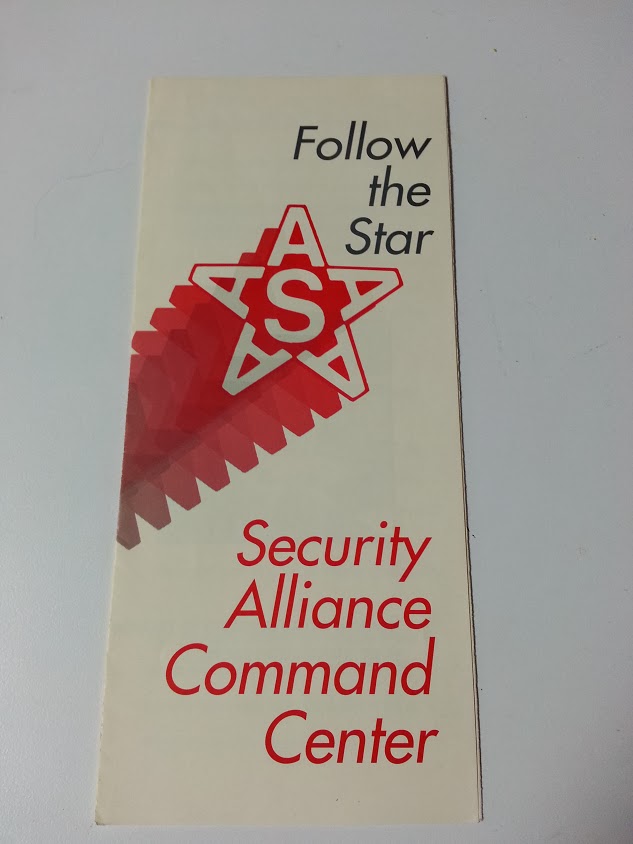
Brochure “before”
The Security Alliance Command Center had been using the same brochure since the business began, and it showed. They came to All the Buzz because they wanted to increase sales and have a better overall image for their company.
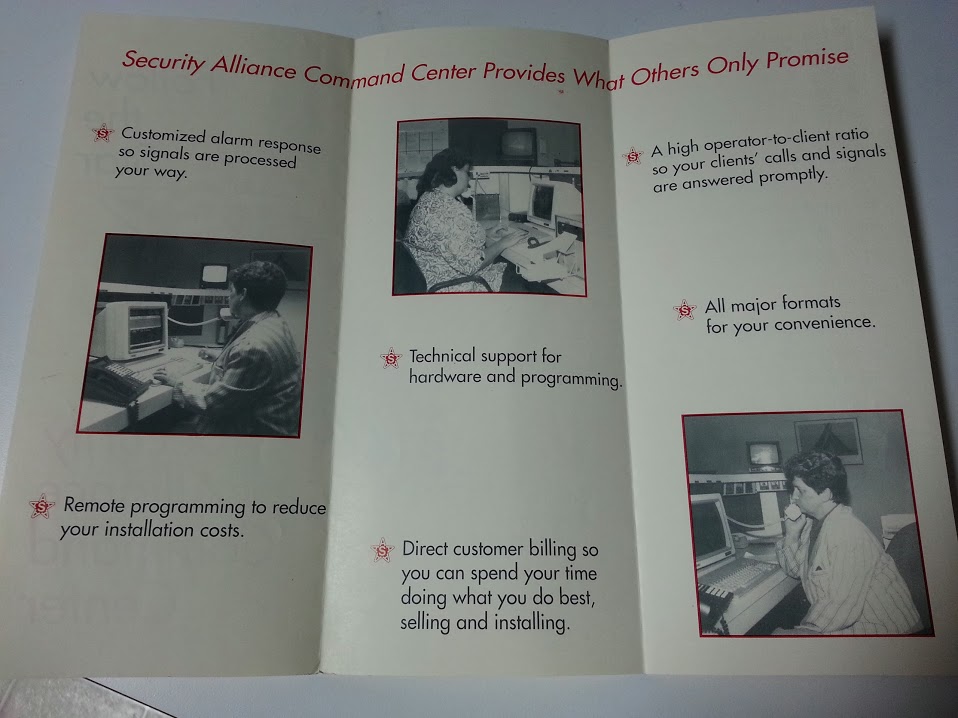
Brochure “before”
We took a look at their old brochure and noted that it was printed on ecru-colored paper that automatically made it look old. It had their old logo, and didn’t contain customer-centric copy or a call to action.
It looked outdated, and for a security company that had to be state of the art, it would not do. Continue reading →
Monarch Title Home Buyers Guide Video | All the Buzz
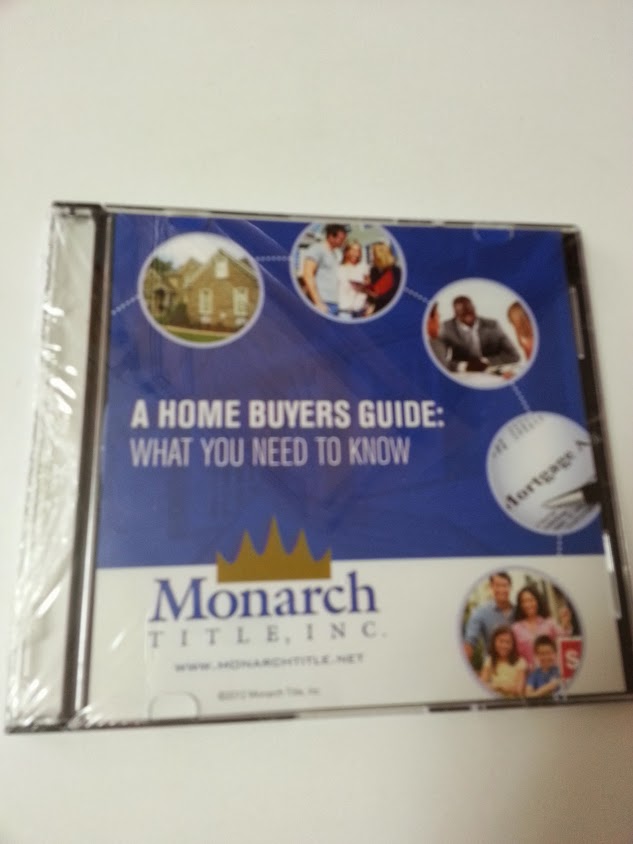
All the Buzz creates Monarch Title Home Buyers Guide Video
Monarch Title was looking for a way to differentiate itself, while demonstrating its knowledge and ease of communication.They wanted to position themselves as a helpful resource.
One tactic was the development of a Home Buyers Guide video that takes the home buyer step by step through the process of buying a home. These are distributed by Monarch Title and given to Realtors to help their own clients understand the processes of buying a home.
All the Buzz Creates Home Buyers Guide Script
All the Buzz broke the process down into fourteen steps, and created a script that outlined the steps, processes, resources and pitfalls that any homebuyer would need to know. The video also outlines the roles each person involved in the transaction plays, and the order in which the homebuyer will need to engage them.
Buying a home is not an easy process, but with the Monarch Title Home Buyers Guide, it can be made a little bit simpler.
Simple One-Sheet Brochure Elevates Ernie Rogers to the Benefit Auctioneer of Choice | All the Buzz Business Collateral

Ernie Rogers is the Benefits Auctioneer of Choice
Mainly-real estate auctioneer Ernie Rogers wanted to branch out and offer his auctioneering services to other businesses and organizations. “I want to make extra money on the side to fund my kids’ college accounts,” he said.
He had been marketing to non-profits and organizers of charity benefits, with minimal success. Continue reading →

 All the Buzz Creative